About End Mill Cutter
End Mill Cutter
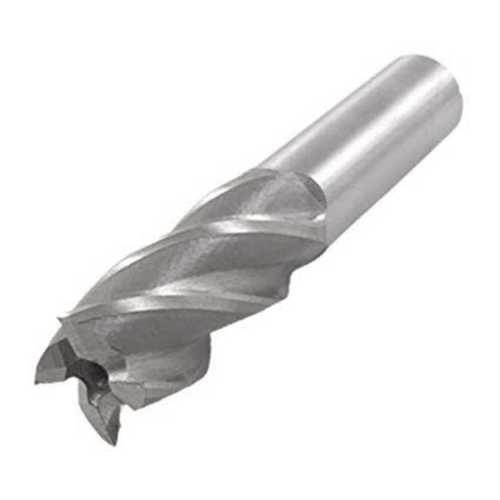
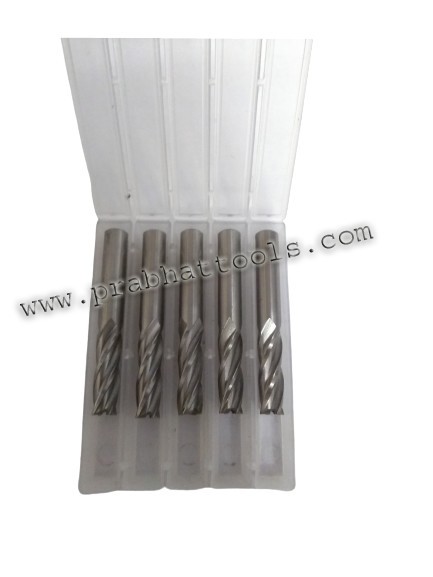
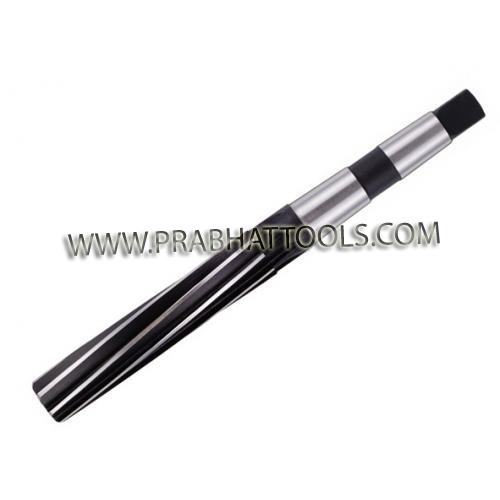
The offered End Mill Cutter is very effective and efficient for use in various commercial and industrial applications. The offered cutter is very useful and made using high quality metal. An end mill is a type of milling cutter, a cutting tool used in industrial milling applications. It is distinguished from the drill bit in its application, geometry, and manufacture. While a drill bit can only cut in the axial direction, most milling bits can cut in the radial direction. Not all mills can cut axially but those designed to cut axially are known as end mill cutter.
Versatile Performance Across ApplicationsOur end mill cutters accommodate multiple machining operations, thanks to options in flute type, coating, and diameter. Choose between straight and helical flutes to match your specific cutting needs and improve chip evacuation while machining a range of materials.
Superior Surface Finish and PrecisionBenefit from ground or mirror-finished surfaces, which provide smooth and precise cutting action while minimizing friction. The h6 standard tolerance ensures consistency and reliability, making these cutters ideal for demanding industrial tasks that require accuracy and efficiency.
Durability Through Premium Materials and CoatingManufactured from high-speed steel and finished with coatings like TiN or TiAlN, our end mill cutters deliver extended tool life and maintain hardness up to HRC 602. This results in less tool wear and reliable performance even under rigorous usage.
FAQ's of End Mill Cutter:
Q: How do I select the right diameter and number of flutes for my application?
A: Select the diameter of the end mill cutter based on the cutting width and depth needed. For roughing or higher material removal, use fewer flutes (such as 2 or 3); for finer finishes or harder materials, opt for more flutes (like 4) to achieve smoother results.
Q: What is the benefit of choosing helical over straight flutes?
A: Helical flutes provide better chip evacuation and smoother cutting action, which is advantageous for higher-speed operations and reducing vibration. Straight flutes are ideal for milling harder materials and maintaining stable contact.
Q: When should I consider using coated versus uncoated end mill cutters?
A: Coated end mill cutters, such as those with TiN or TiAlN, are ideal for extended tool life, enhanced heat resistance, and cutting harder materials. Uncoated options are suitable for softer materials or when budget constraints are a priority.
Q: Where are these end mill cutters manufactured and supplied from?
A: These end mill cutters are manufactured, exported, and supplied by reputable firms based in India, ensuring consistent quality and international standard compliance.
Q: What is the manufacturing process for achieving a mirror or ground surface finish?
A: Mirror or ground finishes are achieved through precision grinding processes after the manufacturing of the cutter, ensuring a smooth, reflective surface that reduces friction and enhances cutting quality.
Q: How does the h6 standard tolerance impact my machining results?
A: The h6 standard tolerance ensures that the cutter's shank maintains strict dimensional accuracy, resulting in reliable fit, reduced runout, and improved performance during high-precision milling tasks.
Q: What are the primary advantages of using high speed steel for end mill cutters?
A: High speed steel offers an optimal balance of hardness, heat resistance, and toughness, making it ideal for end mill cutters that endure high-speed operations with less wear, increased durability, and longevity.
 +918010754649


 Send Inquiry



 Send Inquiry
 Send Inquiry
 Call Me Free
 English
 Spanish
 French
 German
 Italian
 Chinese (Simplified)
 Japanese
 Korean
 Arabic
 Portuguese